Horse racing in Ayr can be traced back to 1576 but the first
properly organised meeting, a two day affair, was held in 1771 with
the first Ayr Gold Cup run in 1804.
The Western Meeting Club was formed in 1824 and the same year
the Western Meeting, now the William Hill (Ayr) Gold Cup Festival,
was established.
By 1838 the Western Meeting had grown and boasted £2000 in prize
money with the race for two year olds at the fixture the most
valuable race of the season in Britain.
The next milestone in the development of the Western Meeting
came in 1855 when the Ayr Gold Cup became a handicap - today it is
the richest sprint handicap in Europe and in 2011 the prize money
for the race alone is £150,000.
Racing in Ayrshire could not have survived the early years
without the patronage of the landed gentry and members of the
Caledonian Hunt such as the Earl of Eglinton, Sir James Boswell of
Auchinleck and R.A. Oswald of Auchincruive did much for the sport.
They bred excellent horses and introduced trainers with the most up
to date ideas.
The Duke of Portland who owned vast estates in Troon and
Kilmarnock commemorated his Scottish connections by naming some of
his best horses after his Ayrshire estates. The most celebrated was
his champion colt Ayrshire which won the Guineas and the Derby in
1888 and the Eclipse Stakes in 1889.
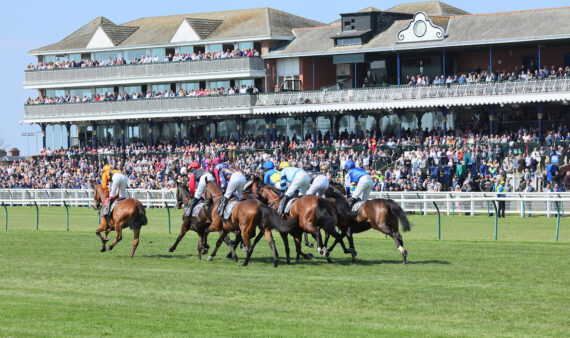
In the early years Ayr Racecourse was situated in the Seafield
area of the town and only moved to the current site in 1907. The
former racecourse is still used today as playing fields, known
affectionately as the Old Racecourse, and also as part of Seafield
golf course.
Indeed the old stone wall which still borders the area dates
back to when racing took place there.
The reason for the move to the Craigie area of town was due to
the course being too small - it was only a mile oval track - with
sharp bends and there was no room to extend the paddock.
The committee of the Western Meeting Club painstakingly planned
the move away from Seafield and travelled the length and breadth of
Britain looking at other courses and it was decided Ayr should be
based on Newbury. The major difference is that the Ayr straight
course is six furlongs compared to the mile at Newbury.
A site for the new course was identified 150 acres of land on Mr
R.A. Oswald's Auchincruive Estate and Mr J.A. Campbell's Craigie
Estate and in 1907 Ayr Racecourse upped sticks and moved.
Another important date in the history of Ayr Racecourse was in
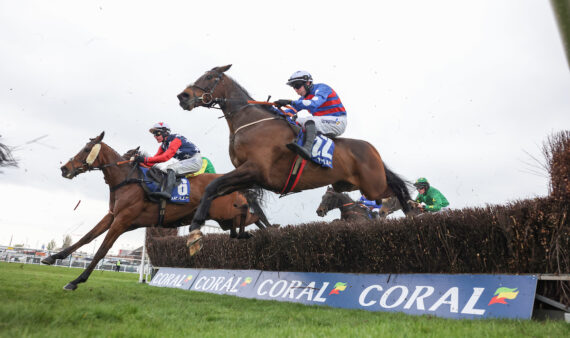
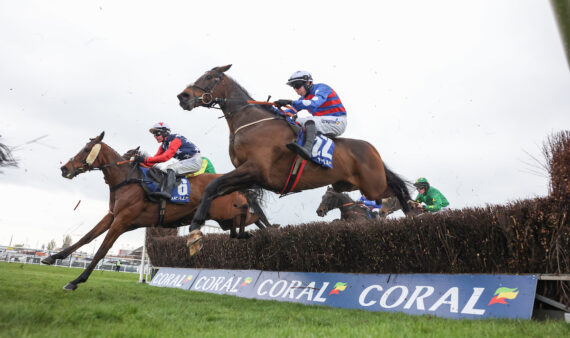
1950 when the jumps course was established meaning there was all
the year round racing for the first time ever at Ayr.
And in 1966 Ayr was firmly put on the jumping map when the
Scottish Grand National was transferred there after the closure of
Bogside Racecourse at Irvine the year before.
In the ensuing years Ayr continued to develop but by the late
1990s the course badly needed investment and it was obvious a new
owner would need to be found in order that facilities be improved
and that Ayr could move forward once more.
By the end of 2002 a bidding process was set up and more than 41
offers were received for the Racecourse.
And in May 2003 it was announced the successful bid was that of
Ayrshire businessmen Richard Johnstone and Alan Macdonald.
A £35 million Masterplan incorporating an array of improvements
to the track was approved by South Ayrshire Council in
February 2005 but later called in by the Scottish Executive.
A Public Inquiry took place in November and December 2005 and in
May 2006 the Scottish Executive granted outline planning permission
for the Masterplan.
Upwards of £20 million has already been spent on a whole host of
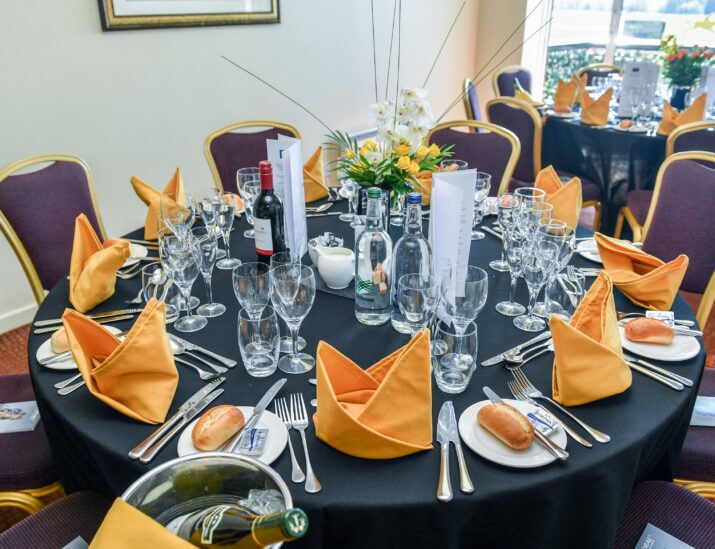
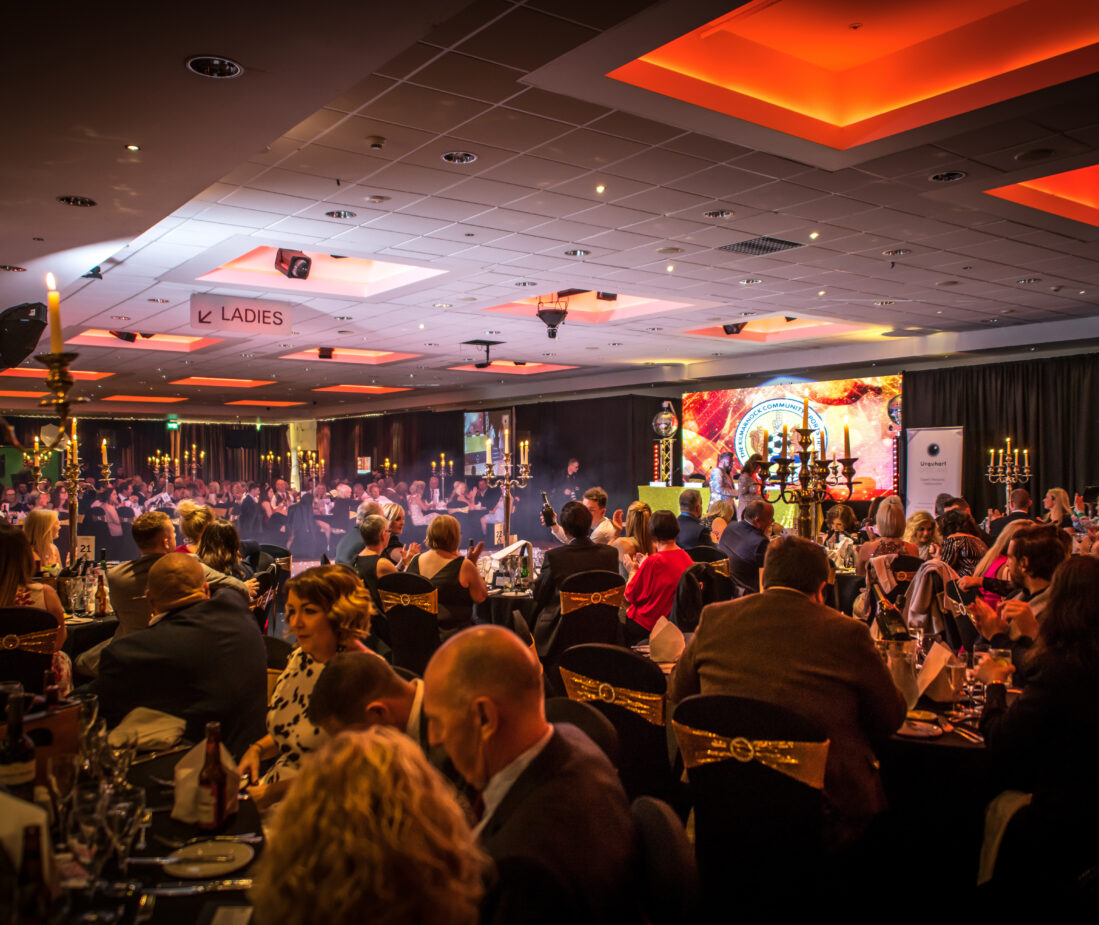
improvements. The Princess Royal Exhibition, Banqueting and
Conference Centre over four floors boasts excellent facilities
including the £4.5 million Ayrshire Suite, opened in April
2008.
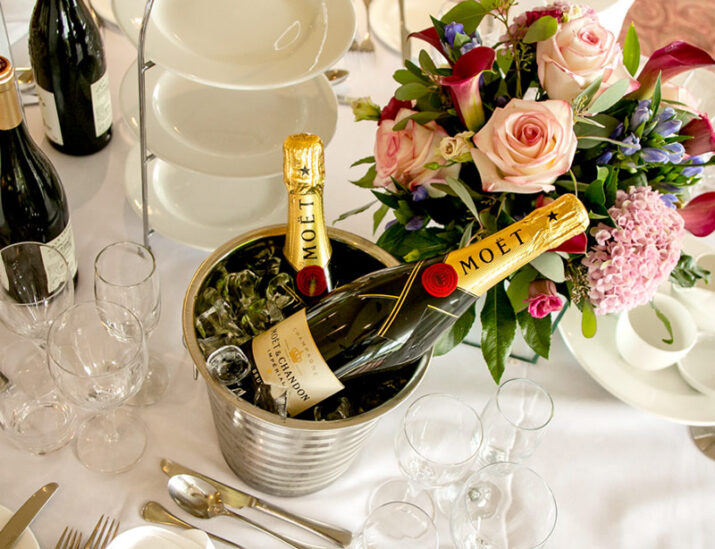
There are two fine dining restaurants - The Roman
Warrior and The Chancellor Carvery.
And the private
boxes on the third floor of the Princess Royal have all been
upgraded.
The former HQ of and meeting place of the Western Meeting Club,
Western
House was transformed at a cost of more than £4 million into a
four star hotel in 2005 and has won a host of awards since then
including Scottish Wedding Hotel of the Year 2007 and 2008.
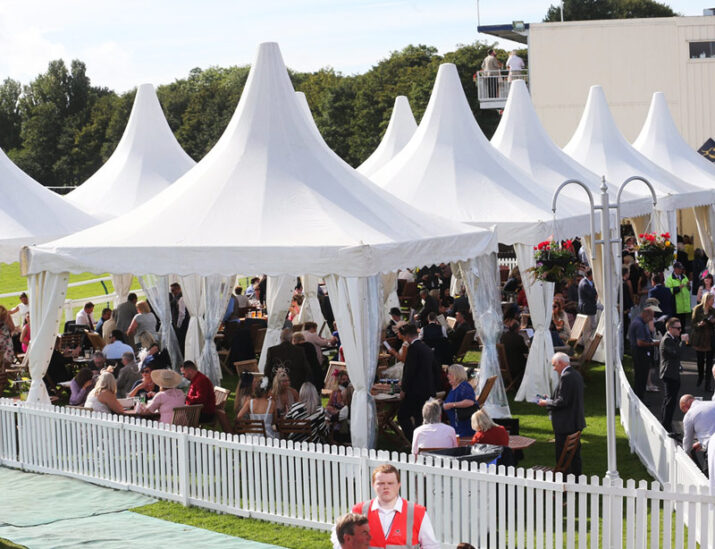
The paddock area of the racecourse has also been extensively
upgraded with the parade ring moving nearer to the course and
spacious Champagne Gardens have been created in the paddock lawn
adjacent to the Weighing Room.
What was a sleeping giant has now become a vibrant multi purpose
business.